Our website use cookies to improve and personalize your experience and to display advertisements(if any). Our website may also include cookies from third parties like Google Adsense, Google Analytics, Youtube. By using the website, you consent to the use of cookies. We have updated our Privacy Policy. Please click on the button to check our Privacy Policy.

Social Responsibility

Burundi: food-sector CSR cases improving nutrition and climate resilience

El papel de la RSE en el sector alimentario de Burundi para la resiliencia

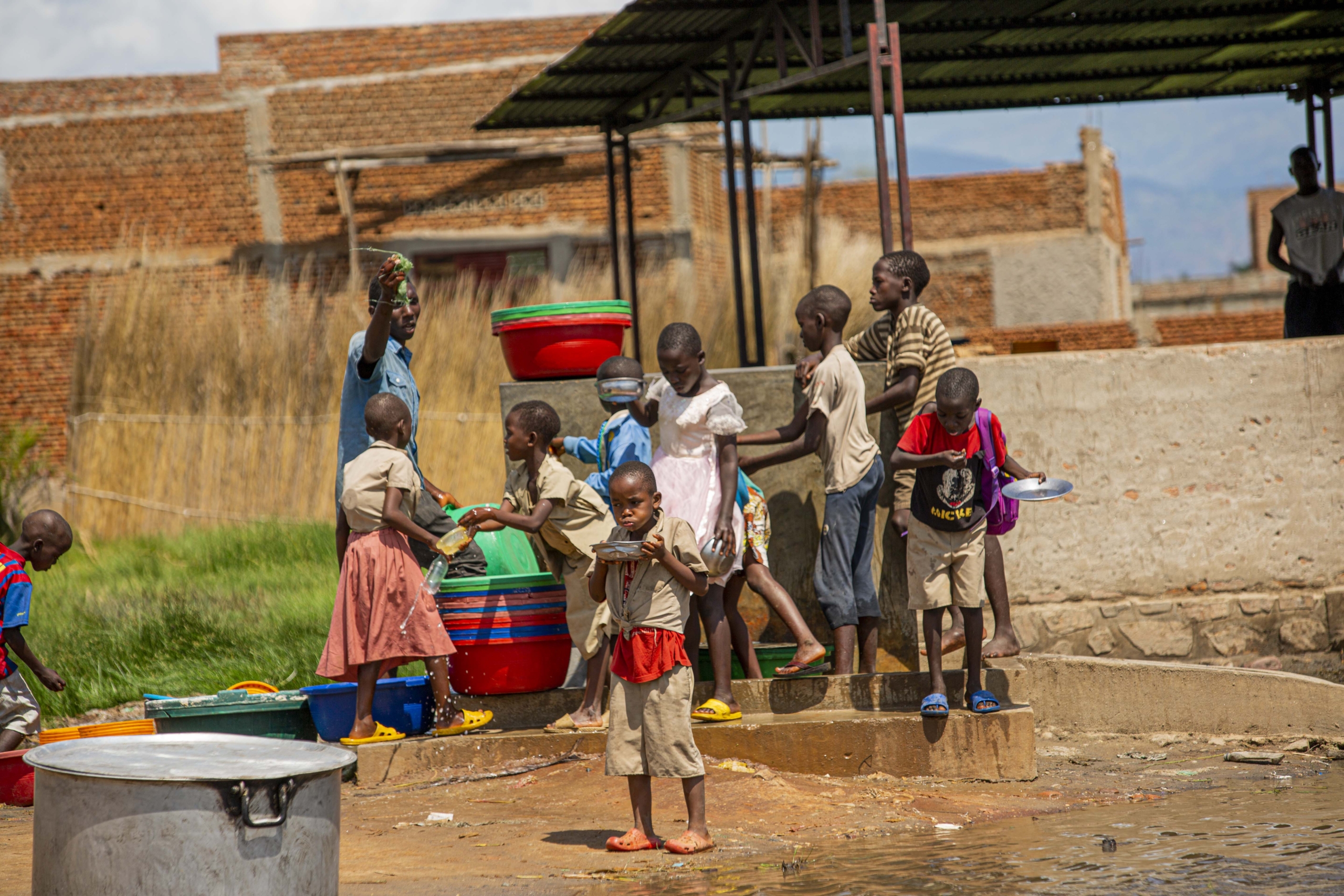
Burundi’s food sector: context for CSR action on nutrition and climate resilienceSocioeconomic and nutritional landscape — Burundi is among the world’s poorest countries. Most households depend on smallholder farming for food and income. Child malnutrition is a persistent challenge: historically, widely cited surveys have shown stunting rates among children under five that place Burundi among the countries with the highest burdens of chronic malnutrition. Micronutrient deficiencies, seasonal food gaps and limited dietary diversity are common in rural and urban poor areas alike.Climate vulnerability — Burundi’s agriculture is highly exposed to climate variability. Smallholder systems are sensitive to erratic rains, localized…

Read More
Charles Schwab Foundation Launches Schwab Moneywise Momentum Grants as Part of a  Million Multi-Year Commitment to Financial Education

Schwab Moneywise Momentum Grants: Charles Schwab Foundation’s $20 million financial education commitment

Charles Schwab Foundation has introduced a new national grant initiative aimed at strengthening financial education through nonprofit organizations. The program seeks to encourage innovative approaches that help people develop the knowledge and confidence needed to make informed financial decisions.Access to practical financial education has become an increasingly important issue as households across the United States navigate rising living costs, growing debt burdens, and a rapidly changing economic environment. While conversations about financial wellness often focus on savings, investing, or retirement planning, many individuals still lack access to reliable resources that explain how money management works in everyday life.In response to…
Read More
Georgia: CSR cases strengthening responsible tourism and local entrepreneurship

Georgia: CSR cases strengthening responsible tourism and local entrepreneurship

Georgia has embraced tourism as a key growth engine that weaves together its natural landscapes, cultural legacy, and rising small businesses, while responsible travel and local enterprise help curb revenue leakage, safeguard ecosystems and traditions, and support steady, year-round employment across rural and highland areas; when corporate social responsibility (CSR) is purposefully integrated into tourism development, communities gain stronger livelihoods, visitors enjoy richer experiences, and overall resilience increases.Background and magnitudeEconomic role: Tourism has emerged as one of Georgia’s most dynamic sectors in the past decade, representing a substantial portion of service exports and job creation, especially across regions beyond the…
Read More
Bhutan: tourism CSR preserving culture and limiting impacts on fragile ecosystems

The role of CSR in Bhutan’s tourism for culture and ecosystems

Bhutan has become a globally cited example of intentional tourism management that seeks to protect culture and fragile ecosystems while generating revenue for national development. The country’s guiding idea places well-being and conservation ahead of unchecked visitor growth. That orientation is implemented through policy levers, regulated market access, partnerships with the private sector, and community-based approaches that aim to keep tourism benefits local and impacts limited.Essential policy tools and mechanismsHigh-value, low-volume approach: Visitors are required to purchase a government-mandated package that includes a daily conservation and development charge. This mechanism raises revenue and acts as a demand filter to limit…
Read More
Azerbaijan: energy-sector CSR cases investing in safety and community development

Corporate social responsibility in Azerbaijan’s energy sector

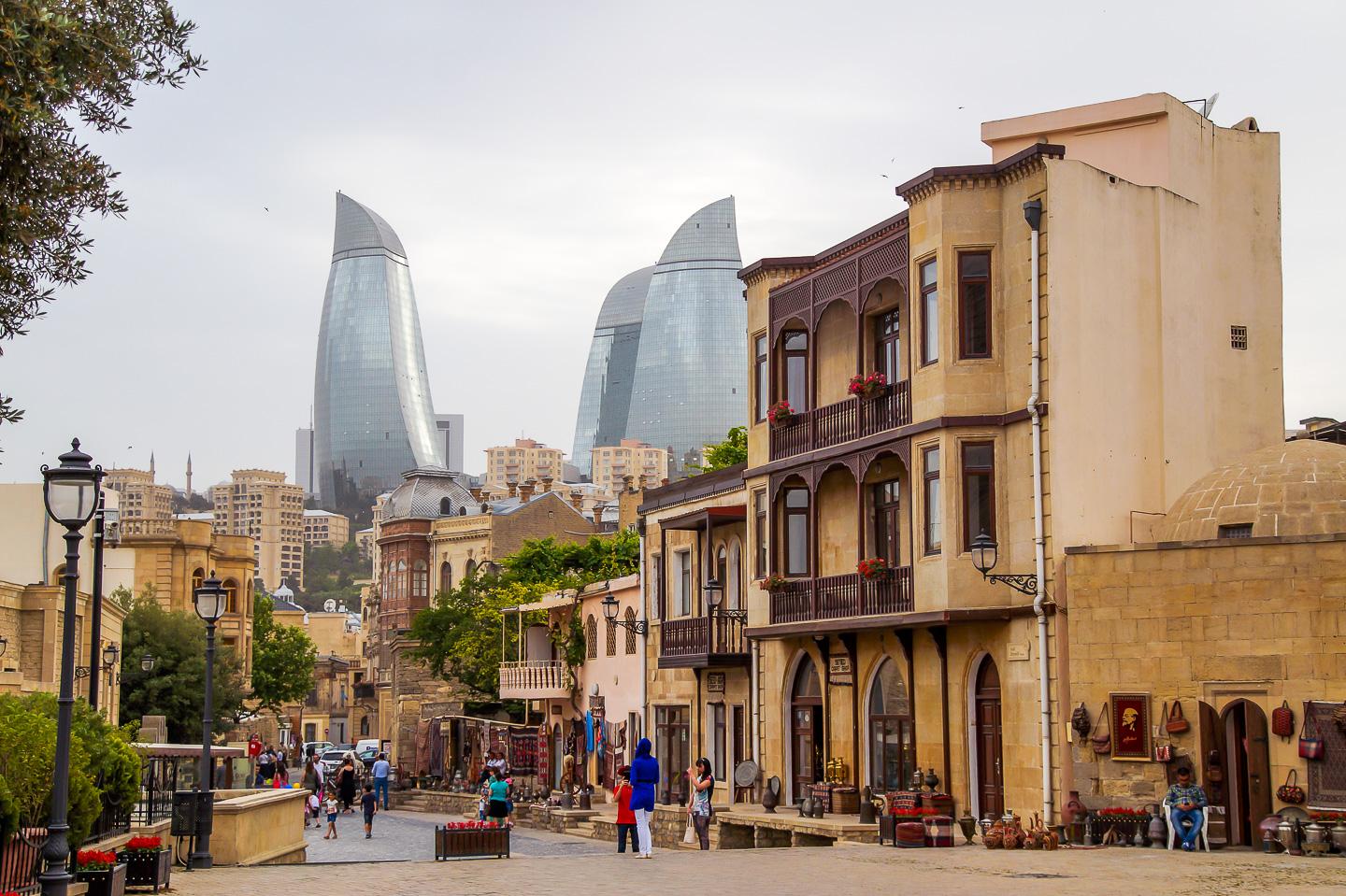
Azerbaijan’s economy remains closely linked to oil and gas, and major undertakings like Azeri–Chirag–Gunashli (ACG), Shah Deniz and the Baku‑Tbilisi‑Ceyhan (BTC) pipeline have long influenced national progress while fostering lasting connections between multinational operators and surrounding communities. These initiatives involve intricate safety, environmental and social challenges, prompting energy companies active in Azerbaijan to establish corporate social responsibility (CSR) programs that dedicate resources to safety infrastructure and community advancement. Their actions are shaped by regulatory expectations, lender obligations (IFC, EBRD, Equator Principles) and internal policies designed to meet international health, safety and environment (HSE) benchmarks, including ISO 45001 and broader HSE…
Read More
Azerbaijan: energy-sector CSR cases investing in safety and community development

Azerbaijan: energy sector CSR cases investing in safety and community development

Azerbaijan’s economy is strongly tied to oil and gas. Large-scale projects such as Azeri–Chirag–Gunashli (ACG), Shah Deniz and the Baku‑Tbilisi‑Ceyhan (BTC) pipeline have shaped national development and created long-term relationships between multinational operators and local communities. These projects carry complex safety, environmental and social risks, and energy companies operating in Azerbaijan have developed corporate social responsibility (CSR) programs that explicitly invest in safety systems and community development. Such efforts are driven by regulatory expectations, lender requirements (IFC, EBRD, Equator Principles), and company policies aligned with international health, safety and environment (HSE) standards (for example ISO 45001 and HSE management frameworks).Why…
Read More
Georgia: CSR cases strengthening responsible tourism and local entrepreneurship

Responsible tourism in Georgia: CSR cases and local entrepreneurship

Georgia has embraced tourism as a key growth engine that weaves together its natural landscapes, cultural legacy, and rising small businesses, while responsible travel and local enterprise help curb revenue leakage, safeguard ecosystems and traditions, and support steady, year-round employment across rural and highland areas; when corporate social responsibility (CSR) is purposefully integrated into tourism development, communities gain stronger livelihoods, visitors enjoy richer experiences, and overall resilience increases.Background and magnitudeEconomic role: Tourism has been one of Georgia’s fastest-growing sectors over the past decade, accounting for a significant share of service exports and employment—particularly in regions outside the capital.Geographic opportunity: Mountain…
Read More
Bhutan: tourism CSR preserving culture and limiting impacts on fragile ecosystems

Sustainable tourism in Bhutan: CSR for culture and fragile ecosystems

Bhutan is widely recognized as a deliberate model of tourism stewardship, designed to safeguard its cultural heritage and delicate environments while generating income for national progress. The nation’s core philosophy prioritizes well-being and preservation over uncontrolled increases in visitor numbers. That vision is carried out through policy mechanisms, controlled market entry, collaborations with private operators, and community-driven strategies that strive to ensure tourism gains remain local and negative impacts stay contained.Essential policy tools and mechanismsHigh-value, low-volume approach: Visitors are required to purchase a government-mandated package that includes a daily conservation and development charge. This mechanism raises revenue and acts as…
Read More
Fiji: CSR cases protecting reefs and strengthening community-based tourism

How CSR in Fiji safeguards reefs and empowers local tourism

Fiji’s coral reefs underpin coastal livelihoods, cultural identity, and the nation’s tourism draw. Private-sector players, ranging from resorts and cruise operators to beverage firms and tour companies, are increasingly using corporate social responsibility initiatives to safeguard reef systems while reinforcing community-led tourism. This article explores the ways CSR in Fiji is being leveraged to preserve reef ecosystems, strengthen local stewardship, and create resilient tourism experiences that ensure benefits remain rooted within villages and households.Why reef protection and community-based tourism matter in FijiEconomic dependence: Tourism serves as one of the core drivers of Fiji’s economy, with coastal and reef-centered activities such…
Read More
Finland: CSR cases promoting lifelong learning and workplace mental well-being

CSR examples from Finland: lifelong learning and mental health in the workplace

Finland combines a strong public education system, active labor market policies, and a corporate culture that emphasizes social responsibility. That ecosystem makes the country a notable laboratory for corporate social responsibility (CSR) cases that integrate lifelong learning and workplace mental well-being. Employers, non-governmental organizations, public bodies, and innovation funds collaborate to produce scalable interventions that support both societal goals and business resilience.Why lifelong learning and mental well-being matter to CSRCompanies that embed lifelong learning and mental health in their CSR strategies address multiple risks and opportunities:Skills resilience: continuous upskilling reduces redundancy risk and supports digital transformation.Productivity and retention: well-trained and…
Read More