

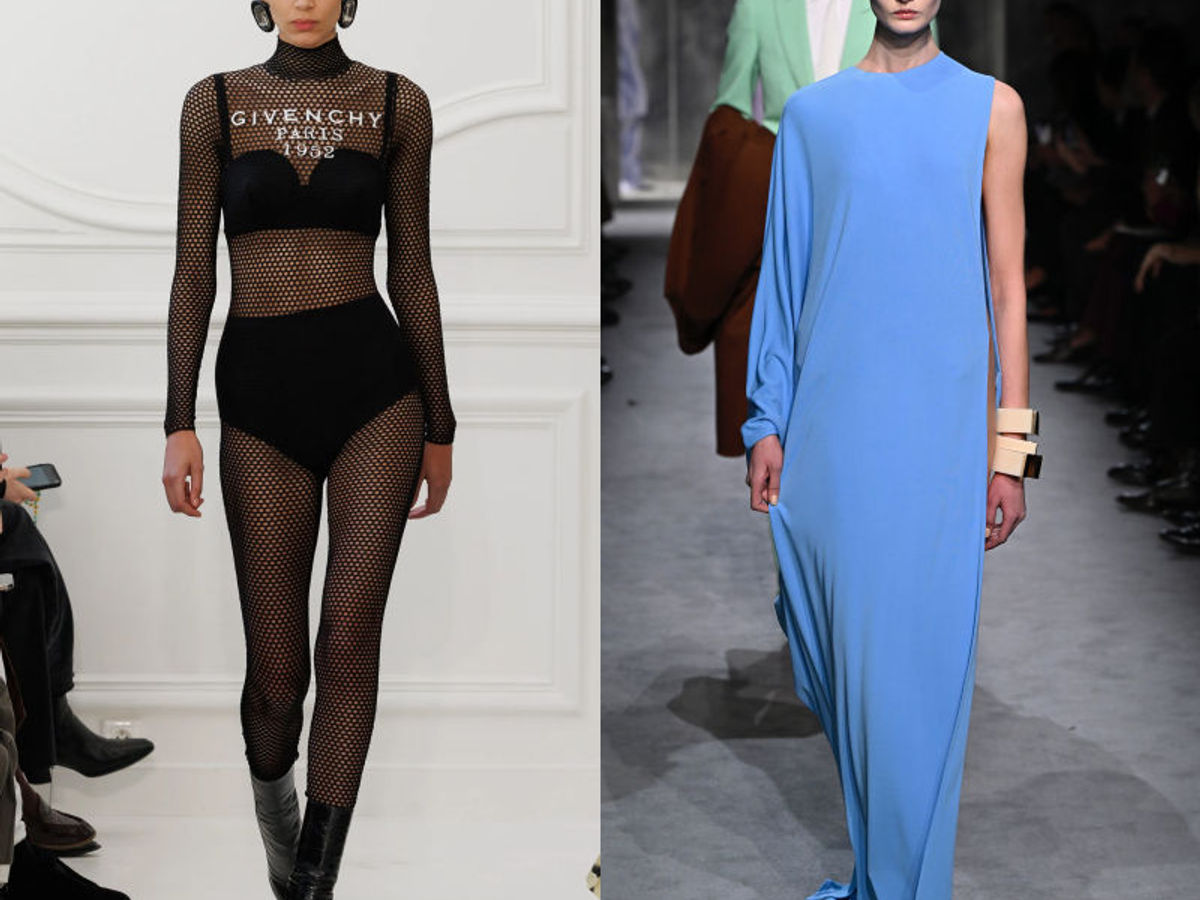
Hubert de Givenchy, the legendary French couturier, is widely regarded as one of the twentieth century’s defining fashion visionaries, his creative philosophy and distinctive design approach shaping the ideals of luxury, refinement, and poise that characterize haute couture. To grasp the essence of Givenchy’s stylistic legacy, one must delve into the richer narrative threaded through his body of work, his public image, and his lasting cultural influence.
Grace in Moderation: The Craft of Polished Simplicity
Givenchy’s aesthetic became a hallmark of understated elegance, and while many designers leaned toward lavish embellishment, Givenchy embraced a style rooted in refined minimalism. His approach favored discreet sophistication over overt display. This sensibility is most clearly reflected in his celebrated collaboration with Audrey Hepburn, a creative bond that yielded some of cinema’s most unforgettable fashion images, among them Hepburn’s black satin gown in “Breakfast at Tiffany’s.” The piece, restrained in shape yet flawless in craftsmanship, embodies Givenchy’s core belief: elevate the wearer through purity of line and attention to detail.
His designs symbolized an evolution in post-war fashion. Following the rigidity of the 1940s, Givenchy brought fluidity back to women’s wardrobes. He introduced the sack dress, a revolution that liberated the female form from constricting silhouettes, reflecting modernity, freedom, and confidence.
Enduring Appeal and Long-Term Influence
The core symbolism of Givenchy’s work is rooted in timelessness. Givenchy pushed back against fleeting trends, designing pieces meant to stay elegant for generations. For example, his reliance on monochrome palettes, refined silhouettes, and masterful tailoring reflected his conviction in lasting beauty. This dedication to permanence is reflected in the ongoing presence of his creations on red carpets, in museum showcases, and throughout vintage boutiques around the world.
His garments consistently projected a sophisticated femininity that transcended time, making his designs symbols of perennial style rather than fleeting fashion. Celebrities such as Grace Kelly, Jacqueline Kennedy, and Marlene Dietrich became ambassadors of this style, further amplifying its symbolism.
Where Tradition Meets Forward-Thinking Innovation
Givenchy’s approach was grounded in tradition yet always forward-looking. He respected the legacy of Parisian couture, apprenticed with luminaries like Elsa Schiaparelli, and embodied the essence of French chic. Nonetheless, he was an innovator. His choice to present separates—blouses paired with skirts—was a radical departure from the conventional, prescriptive ensembles of the day. This shift represented empowerment and adaptability, values that became central to women’s lives in the twentieth century.
Symbolism of Friendship, Loyalty, and Charm
Givenchy’s personal qualities infused his work with deeper symbolic significance. His longstanding friendship with Audrey Hepburn spoke not only to his design vision but also to his values of loyalty and trust. Hepburn once remarked, “His clothes are the only ones in which I am myself.” This authenticity, transparency, and mutual respect reflected a broader symbolism: fashion as a genuine extension of personality, not just an outward appearance.
He crafted garments not only with the body in mind but also shaped around the individual’s presence and personality, and by gaining a profound understanding of his muses, Givenchy’s designs evolved into expressions of genuine devotion and emotional depth, setting his approach apart from fashion houses driven more by commercial or transactional aims.
Artistry, Excellence, and a Personal Touch
A defining hallmark of Givenchy’s aesthetic lay in his exacting commitment to craftsmanship, with every piece showcasing refined handwork, sumptuous fabrics, and meticulous construction. This devotion to artisanal excellence conveyed values rooted in patience, dedication, and a lasting appreciation for superior quality. His atelier evolved into a setting where creativity intertwined with craft, producing garments that carried both beauty and significance.
Givenchy’s Style as Cultural Language
When considered as a whole, Hubert de Givenchy’s style conveys far more than a simple aesthetic choice—it forms a cultural expression shaped through restraint, fidelity, timelessness, and innovation. Givenchy’s creations celebrated individual character while capturing universal notions of elegance and sophistication. His lasting impact affirms that clothing, crafted with imagination and integrity, serves as both mirror and guide, revealing personal identity and highlighting enduring values that continue to resonate through the generations.